CHICKEN BOUILLON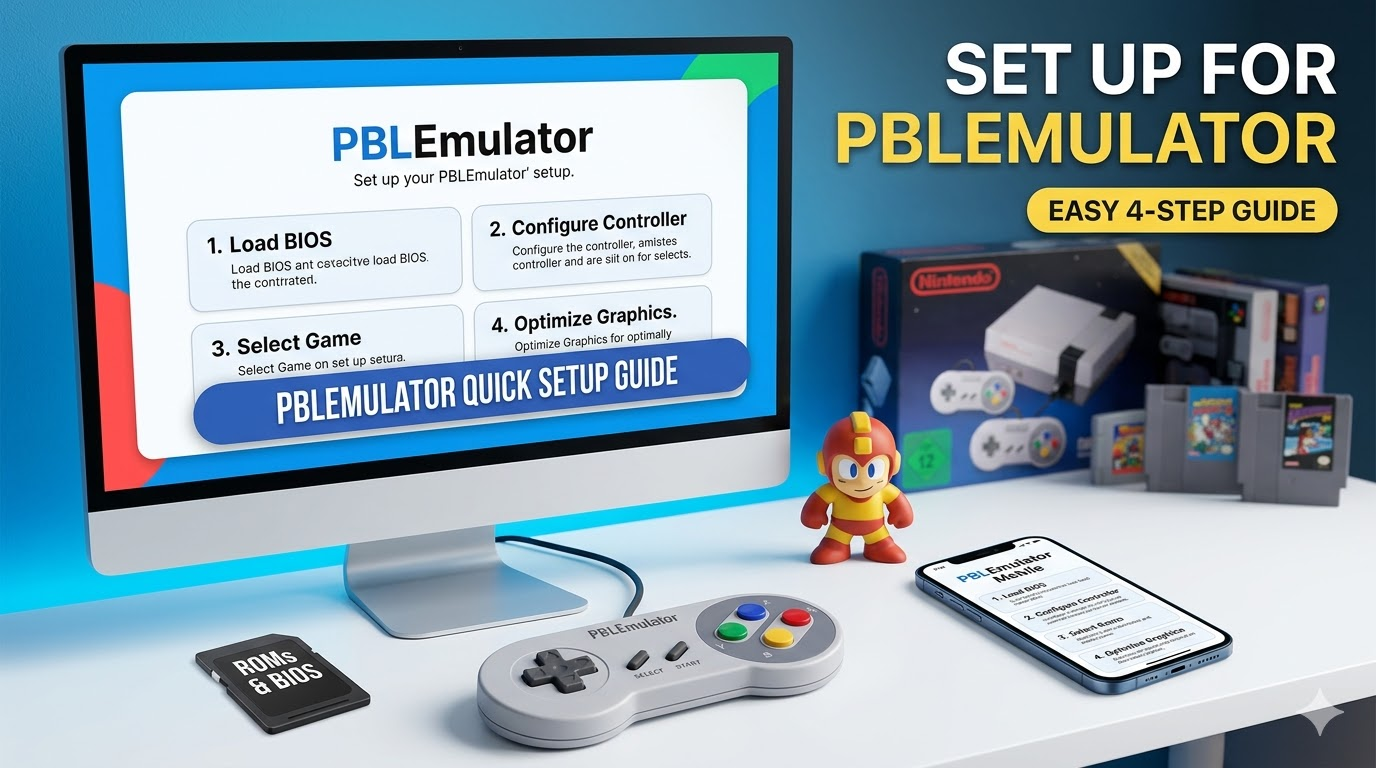
Emulators have become essential tools for retro gaming enthusiasts and developers alike, allowing console experiences on modern computers without the need for physical hardware. Performing a proper set up for pblemulator ensures your system runs games smoothly, avoids crashes, and provides an optimised gaming environment. With the right installation and configuration steps, both beginners and experienced users can enjoy seamless gameplay and even explore custom projects on Windows, macOS, or Linux systems.
Understanding the setup process is crucial for anyone who wants a reliable emulation experience. A complete set up for pblemulator involves preparing your system, installing necessary dependencies, configuring controls, and optimising performance. By following a structured guide, you can prevent common issues such as graphical glitches, input errors, or crashes. This guide walks you through every step to ensure your PBEmulator environment is fully functional and ready for gaming or development tasks.
Understanding PBEmulator
PBEmulator is a software tool that replicates console hardware functionality on your computer, allowing games to run smoothly without physical consoles. By performing a proper set up for pblemulator, users gain access to advanced features such as custom controls, accurate graphical rendering, and emulated hardware functions like vibration or touch sensitivity. Understanding these capabilities is important for maximising the emulator’s potential and enjoying a consistent gaming experience across different devices.
Unlike physical consoles, PBEmulator requires careful configuration to function correctly. Skipping essential setup steps can lead to crashes, graphical distortions, or malfunctioning controls. A well-executed set up for pblemulator ensures your system recognises all required dependencies, correctly links graphics output, and provides a stable environment for running games. Knowledge of how PBEmulator works also helps in troubleshooting problems efficiently and improves the overall emulation experience.
System Requirements for PBEmulator
Before installing PBEmulator, it’s vital to verify that your system meets the minimum and recommended specifications. Proper set up for pblemulator involves checking CPU, RAM, graphics capabilities, and storage space. Windows users need to ensure WSL and an X Server are compatible, while macOS and Linux users must confirm dependencies like Python and Node.js are installed. Meeting these requirements guarantees smooth performance and reduces the likelihood of crashes or lag.
In addition to hardware specifications, your system should be regularly updated to support PBEmulator optimally. Outdated drivers or insufficient memory can affect performance, causing frame drops or slow response times. A complete set up for pblemulator also includes preparing directories for ROMs and project files, organising storage, and verifying compatibility with your operating system. Taking these steps before installation saves time and ensures a seamless gaming experience.
Step-by-Step Installation Guide
For Windows users, set up for pblemulator typically involves installing Windows Subsystem for Linux (WSL) and an X Server, such as Xming, to display the emulator’s graphical interface. Dependencies like Node.js, Python, and specific libraries must be installed in the WSL environment. Carefully following these installation steps ensures the emulator runs without errors and provides full functionality, including graphics, sound, and input controls.
On macOS, Homebrew simplifies installation, allowing users to set up dependencies quickly. A proper set up for pblemulator on Mac includes installing the PBEmulator SDK, configuring environment variables, and linking necessary system tools. Linux users can perform similar installation steps via terminal commands, ensuring all dependencies are met and the emulator is correctly configured. Completing the installation with careful attention to detail avoids common setup errors and prepares the emulator for immediate use.
Configuration and Optimisation
Once installation is complete, configuring PBEmulator is critical for a stable and enjoyable experience. A full set up for pblemulator involves selecting the default platform, choosing the correct BIOS, and mapping keyboard or controller inputs. Optimising graphical settings, adjusting frame rates, and calibrating sound output are equally important. These steps ensure that games run smoothly, respond accurately to inputs, and deliver an authentic console-like experience.
Performance optimisation extends beyond initial configuration. Depending on your system’s hardware, adjusting emulator settings can reduce lag and improve responsiveness. A proper set up for pblemulator also includes testing multiple games or projects to ensure compatibility and making adjustments to memory allocation, screen resolution, and input latency. This approach maximises performance while maintaining the fidelity of the original gaming experience.
Running PBEmulator for the First Time
Launching PBEmulator for the first time requires a correctly configured environment. Creating or loading a project or ROM is part of a proper set up for pblemulator, allowing users to test games, develop projects, and experience console gameplay on a PC. The first run provides an opportunity to verify that installation, configuration, and optimisation steps were successful, giving a foundation for consistent usage.
During the first launch, users may encounter minor errors such as display issues, missing libraries, or input recognition problems. A well-executed set up for pblemulator minimises these issues and provides troubleshooting guidelines for resolving them quickly. Ensuring a stable environment at this stage is crucial for long-term usage, enabling smooth gameplay and uninterrupted development activities without frustration.
Troubleshooting Common Issues
Even with a meticulous set up for pblemulator, some users may face challenges. Common problems include emulator crashes, distorted graphics, or malfunctioning sound. Knowing how to troubleshoot these issues is essential. Users can resolve most errors by checking dependencies, restarting the terminal or system, and consulting PBEmulator documentation or online forums. Preventative setup steps greatly reduce the occurrence of these issues.
Other troubleshooting concerns involve ensuring ROM compatibility, avoiding system conflicts, and maintaining updated drivers. A full set up for pblemulator addresses these areas, creating a stable and responsive emulator environment. Following best practices such as regular updates and backup of configuration files ensures the emulator runs efficiently, maintaining optimal performance over time.
Tips and Best Practices
To maintain the best performance, users should regularly update PBEmulator and system dependencies. A proper set up for pblemulator includes backing up configuration files, optimising settings based on hardware, and using trusted sources for ROMs. Following these practices prolongs the emulator’s usability and enhances the overall gaming experience, preventing common issues caused by outdated software or improper configuration.
Optimisation also requires customisation based on system specifications. High-performance computers can leverage advanced graphics and higher frame rates, while older systems benefit from simplified settings to reduce lag. By following a correct set up for pblemulator, users can tailor the emulator experience to their system, ensuring reliable, smooth, and enjoyable gameplay across multiple platforms.
Conclusion
A complete set up for pblemulator is essential for anyone seeking a reliable and immersive retro gaming experience. From installation and configuration to optimisation and troubleshooting, following each step carefully ensures smooth gameplay and long-term emulator stability. By maintaining the emulator environment and adhering to best practices, users can enjoy a seamless console experience on modern hardware, maximising both performance and enjoyment.