CHICKEN BOUILLON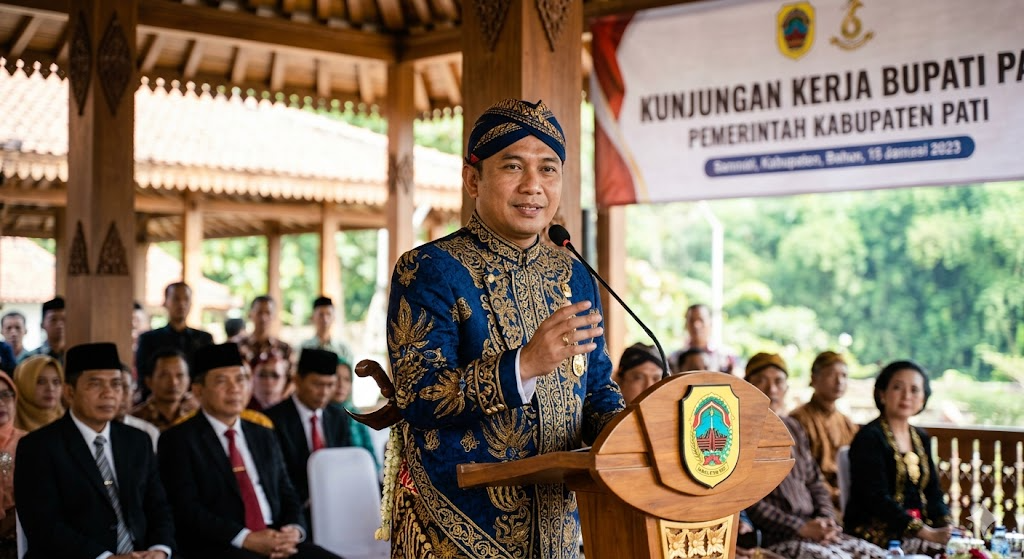
Introduction – Who is Bupati Pati Sudewo?
H. Sudewo is the current Bupati Pati, holding office for the 2025–2030 term. He previously served as a member of the Indonesian national legislature, which provided him with extensive experience in governance and policy-making. His rise to regency was met with optimism from constituents, who expected effective leadership and regional development initiatives. Sudewo’s political career reflects both ambition and influence within the local and national political landscape.
Despite early promises of economic growth and improved public services, Sudewo’s administration quickly attracted attention due to contentious policies and governance decisions. Residents of Pati have closely monitored his leadership, noting both achievements and controversies. His tenure has become a focal point for discussions on accountability, public trust, and political integrity within the region.
Timeline of Events Leading to the KPK Case
In late 2025, Bupati Pati Sudewo became embroiled in controversy after proposing a 250% increase in the Land and Building Tax (PBB), sparking protests across the regency. Citizens expressed dissatisfaction with the policy, highlighting concerns over affordability and fairness. This public unrest coincided with an impeachment attempt, which Sudewo narrowly survived, leaving a tense political climate in Pati.
In January 2026, the Corruption Eradication Commission (KPK) conducted an Operation Tangkap Tangan (OTT), leading to Sudewo’s arrest on allegations of soliciting bribes for village official appointments. The KPK seized Rp2.6 billion in cash during the operation. This series of events marked a significant turning point, drawing national attention and raising questions about the integrity of local governance in Indonesia.
Details of the Corruption Allegations
Bupati Pati Sudewo faces allegations of corruption involving the sale of village government positions. The KPK claims that Sudewo and his associates demanded bribes from candidates seeking appointments, which constitutes a serious breach of public trust. The evidence collected includes significant cash transactions, underscoring the scale of the alleged misconduct.
Sudewo has publicly denied wrongdoing, asserting that he was unfairly targeted as a political sacrifice. His statements have been met with mixed reactions from the public and media, with many calling for a thorough judicial process. Indonesia’s anti-corruption laws are rigorous, and the ongoing investigation will determine whether Sudewo faces formal charges and legal penalties.
Public Reaction and Protests in Pati
Residents of Pati reacted strongly to both the alleged corruption and Sudewo’s controversial tax policies. Widespread protests were organised in several districts, demonstrating the public’s demand for accountability and transparent governance. Citizens used these demonstrations to voice frustration and push for systemic reforms in the local administration.
Social media platforms played a crucial role in amplifying these protests, allowing residents to share videos, updates, and opinion pieces. The digital response highlighted the engagement of younger generations in civic matters. Overall, public sentiment has become a powerful force influencing political discourse and administrative decisions in Pati Regency.
Political Implications for Pati Regency
Sudewo’s legal troubles have far-reaching political consequences. Local political parties are reassessing their strategies in light of growing public dissatisfaction and legal scrutiny. The Vice Regent now plays a critical role in ensuring governance continuity, maintaining administrative stability while Sudewo remains under investigation.
These events may influence upcoming local elections, as candidates and parties adjust messaging to reflect public concerns. The case has also prompted discussions about the importance of ethical leadership and checks on regional authority. Pati’s administration faces ongoing challenges in balancing policy initiatives with transparency and citizen engagement.
Historical Context – Corruption Cases Among Indonesian Regents
Corruption cases among regents are not uncommon in Indonesia, reflecting systemic governance challenges. Several regents across the country have faced investigations by the KPK for misusing public office, bribery, and nepotism. Sudewo’s case continues this pattern, highlighting the need for continued vigilance and reforms at the regional level.
Comparing Sudewo’s case with past incidents offers insight into recurring governance issues, including weaknesses in oversight and the influence of political networks. Lessons from these cases can guide future efforts to promote transparency, enhance public accountability, and protect citizens from administrative misconduct.
Conclusion
The arrest and ongoing investigation of Bupati Pati Sudewo have drawn national attention to Pati Regency, highlighting critical issues of corruption, public trust, and civic engagement. Residents’ protests demonstrate that citizens are actively involved in holding leaders accountable, reinforcing the importance of transparency in governance.
The future of Pati Regency will depend on strong, ethical leadership and the ability of public institutions to enforce accountability. Sudewo’s case serves as a cautionary tale for regional leaders across Indonesia, illustrating both the risks of corruption and the power of an engaged citizenry.
FAQs about Bupati Pati
- Who is the current Bupati Pati?
H. Sudewo serves as the Bupati Pati for the 2025–2030 term, previously holding national legislative positions. - What are the corruption allegations against Sudewo?
He is accused of soliciting bribes for appointing village officials, with Rp2.6 billion seized during the KPK investigation. - How did the public react to Sudewo’s KPK case?
Widespread protests erupted across Pati, highlighting dissatisfaction with policies and alleged corruption. - What is the role of the Vice Regent during Sudewo’s detention?
The Vice Regent ensures continuity of governance and manages day-to-day administration in Pati. - How common are corruption cases among Indonesian regents?
Corruption investigations of regional leaders are relatively frequent, reflecting systemic challenges in local governance. - What are the next legal steps for Sudewo?
Sudewo will face judicial proceedings under Indonesia’s anti-corruption laws, which may lead to trial and sentencing. - How can citizens influence governance in Pati?
Residents can engage through civic organisations, public demonstrations, and voting in local elections to promote transparency.