CHICKEN BOUILLON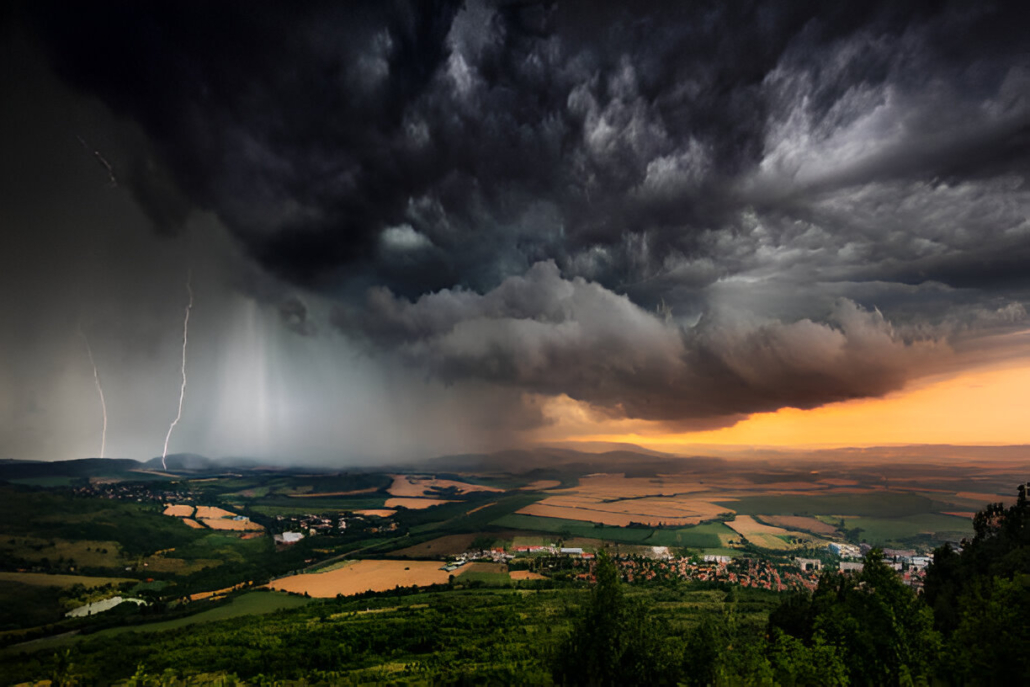
Indonesia is increasingly experiencing unpredictable and severe weather conditions, commonly referred to as cuaca ekstrem. From torrential rainfall to intense heatwaves, these extreme weather events have significant impacts on daily life, the environment, and infrastructure. Recognising and understanding cuaca ekstrem is essential for both residents and authorities, enabling proactive measures to protect communities and mitigate potential damage. Awareness can save lives and reduce the economic and environmental consequences of such weather phenomena.
Extreme weather events are no longer rare occurrences. Communities across Indonesia have been affected by floods, landslides, and cyclones that illustrate the intensity of cuaca ekstrem. By learning about its causes and effects, residents can prepare more effectively, reduce risks, and adopt safety measures. In addition, staying informed about forecasts and alerts helps people make timely decisions when faced with sudden changes in weather patterns.
What is Cuaca Ekstrem?
The term cuaca ekstrem refers to weather conditions that significantly deviate from normal patterns, often manifesting with unusual intensity. Unlike regular weather variations, these conditions can pose threats to life, property, and the environment. Examples include torrential rainfall, strong winds, heatwaves, and tropical storms. Understanding the concept of cuaca ekstrem helps communities anticipate and respond to weather events that might otherwise catch them unprepared.
Historically, Indonesia has witnessed several extreme weather events, highlighting the urgency of preparedness. Flooding in Jakarta and landslides in mountainous regions serve as reminders of the destructive potential of cuaca ekstrem. Recognising its occurrence and studying historical patterns allow local governments and residents to implement preventive measures, ultimately reducing casualties and property loss.
Causes of Cuaca Ekstrem
Several natural factors contribute to cuaca ekstrem in Indonesia. Seasonal monsoon winds, fluctuating ocean surface temperatures, and atmospheric pressure changes interact to create sudden heavy rainfall or storms. The country’s unique geography, situated along the equator and surrounded by oceans, makes it particularly susceptible to unusual weather patterns and extreme weather events.
Human-induced factors are increasingly amplifying cuaca ekstrem. Climate change, urban expansion, and deforestation disrupt natural weather cycles, leading to more frequent heatwaves, irregular rainfall, and stronger storms. The combination of natural and human-related influences underscores the complexity of extreme weather and highlights the need for comprehensive strategies to manage its impacts effectively.
Types of Extreme Weather in Indonesia
Indonesia experiences multiple forms of cuaca ekstrem, each with distinct effects on communities and the environment. Heavy rainfall often leads to flooding and landslides, particularly in low-lying areas and regions with steep terrain. Tropical cyclones and high-speed winds can damage homes, uproot trees, and disrupt transport networks, creating challenges for both urban and rural populations.
Heatwaves and prolonged dry spells also fall under the category of cuaca ekstrem, affecting agriculture, water supplies, and public health. Even less common cold spells in highland areas can have serious consequences for local communities. Recognising the diverse types of extreme weather helps individuals and authorities prepare more effectively, improving resilience against these natural hazards.
Effects of Cuaca Ekstrem
The impact of cuaca ekstrem is far-reaching, affecting the environment, society, and the economy. Environmental consequences include soil erosion, landslides, and damage to forests, while water bodies can experience flooding and pollution. Such changes disrupt ecosystems, affect biodiversity, and compromise natural resources that communities rely on for their livelihoods.
On a societal level, cuaca ekstrem can interrupt daily life, halt transportation, and damage homes and infrastructure. Health risks such as heatstroke, dehydration, and waterborne diseases increase during extreme weather events. Economically, extreme weather can cause property damage, reduce agricultural yields, and necessitate significant government expenditure for recovery and rehabilitation efforts, highlighting the importance of preparedness.
Early Warning and Monitoring Systems
Effective monitoring and early warning systems are crucial in managing cuaca ekstrem. Agencies like BMKG (Meteorology, Climatology, and Geophysics Agency of Indonesia) track weather patterns, issue alerts, and provide guidance to communities. These early warnings help residents prepare, evacuate if necessary, and reduce the potential for harm caused by extreme weather.
Technological advancements, including satellite imaging, predictive models, and mobile apps, have enhanced the ability to forecast cuaca ekstrem with greater accuracy. By leveraging these systems, communities can respond proactively, mitigating risks and safeguarding both lives and property. Continuous improvements in monitoring and early warning infrastructure remain essential in the face of increasing climate variability.
Safety Tips During Cuaca Ekstrem
Safety during cuaca ekstrem requires both preparation and awareness. Individuals should maintain emergency kits with essentials such as water, non-perishable food, first aid supplies, and important documents. Following local alerts and evacuation instructions ensures timely action when severe weather threatens homes or communities.
Home safety is also critical, including securing loose objects, reinforcing structures, and planning safe evacuation routes. Community cooperation, participation in drills, and awareness campaigns further enhance resilience. Understanding seasonal patterns, such as monsoon periods and dry season heatwaves, enables people to anticipate cuaca ekstrem and implement appropriate preventive measures.
How Communities Can Adapt to Extreme Weather
Communities can take long-term measures to adapt to cuaca ekstrem. Urban planning that accounts for flood-prone areas, resilient infrastructure, and proper drainage systems can reduce damage. Reforestation projects and sustainable farming practices contribute to mitigating extreme weather impacts, protecting both livelihoods and ecosystems.
Education and awareness programs also play a key role in adaptation. Training citizens to respond effectively to cuaca ekstrem, establishing local emergency networks, and promoting environmental stewardship build community resilience. Collective efforts ensure that extreme weather becomes manageable rather than catastrophic.
Conclusion
Understanding cuaca ekstrem is essential for living safely in Indonesia. Awareness of its causes, types, and effects allows communities and individuals to prepare, respond, and recover effectively. By staying informed, adopting safety measures, and supporting adaptation initiatives, people can reduce risks and minimise the damage caused by extreme weather events, ensuring a safer and more resilient future.
YOU MAY ALSO READ
Is Hayley Turner in a Relationship
Ipswich vs Blackburncuaca ekstrem